تازه هاى تارنما
تازه ترين مقاله ها
Temporary, part-time jobs: a trap for youth?
Neither working nor studying, the fate for millions of youth worldwide
Four million more jobless youth since 2007
The hidden share of unemployment
News in Brief - Country Office for South Pacific Island Countries - April/May 2012
Aung San Suu Kyi to address the ILO’s International Labour Conference
Youth from around the world gather at the ILO to tackle job crisis
ILO head warns of growing disconnect between people and politics
Information for the media: 101st International Labour Conference
Media Advisory: ILO and UNEP to publish new report on green economy
: خبر هاى كلى
-
-
-

-

-

-

-

-
-
-

-
واگذاری سهام دیان حداکثر تا پایان آذر ماه سال ۱۴۰۴ ۲۱ آبان ۱۴۰۴
-

-
-

-

-

-
بارنامه پلیس راهی 28 مرداد 1404
-

-

-

-
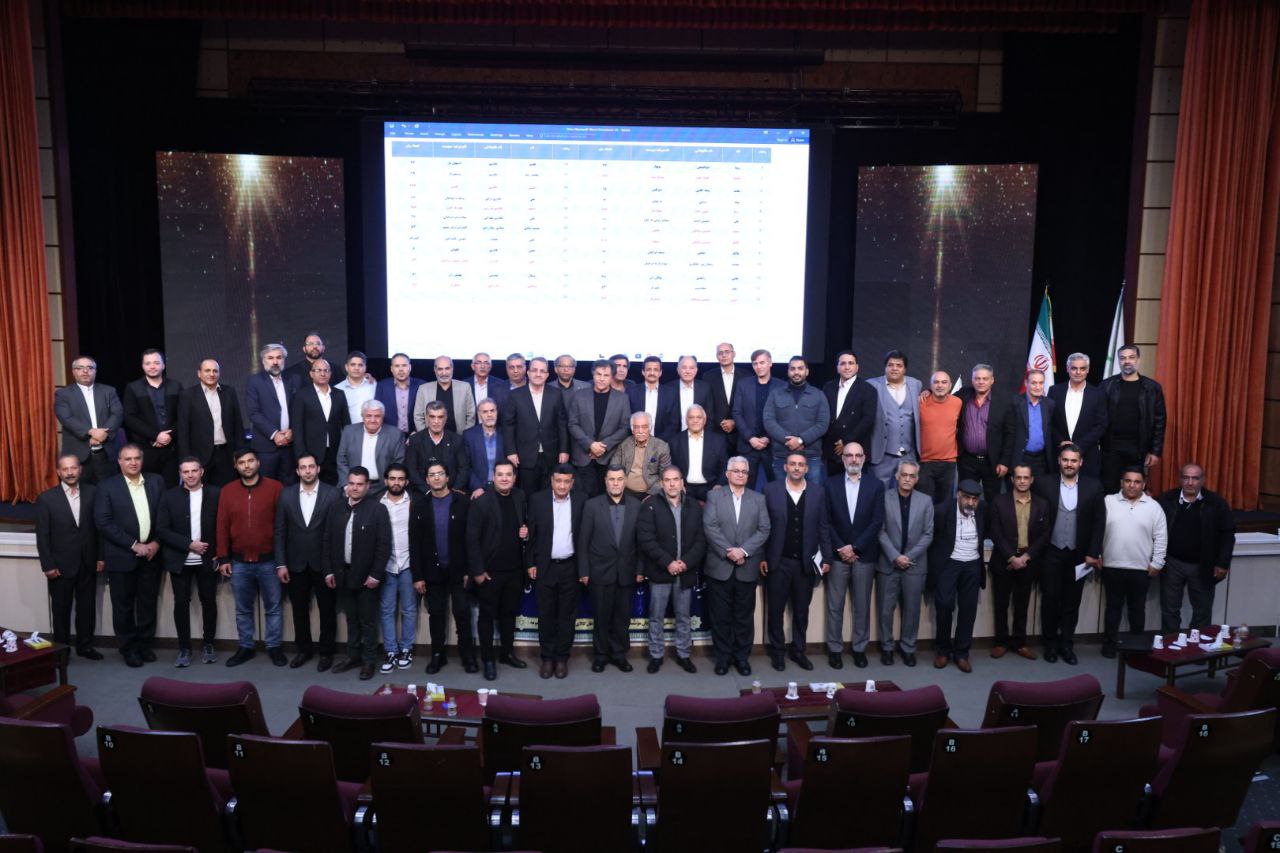
ارسال آخرین لیست بیمه تامین اجتماعی در قالب فایل اکسل و پی دی اف ۱ بهمن ۱۴۰۳
-
-

-

-

-
معافیت مالیات بر ارزش افزوده کارمزد (کمیسیون) ۲۳ بهمن ۱۴۰۲
-

-

-

-
نصب سامانه پایش ناوگان باری حامل محمولات ترافیکی و محمولات خطرناک از اول دی ماه سال جاری ۱۸ مهر ۱۴۰۲
-
ابلاغ ضوابط جدید بکارگیری مدیر فنی شرکتها و مؤسسات حمل و نقل جادهای و اجرای آن از از اول دی ماه سال جاری ۱۹ مهر ۱۴۰۲
-
-
-
-

-
-
آخرین ویرایش اساسنامه انجمن صنفي كارفرمايي مؤسسات و شركتهاي حمل و نقل كالاي برونشهري تهران و حومه تاريخ نشر: ۲۳ بهمن ماه ۱۳۹۸
-
نرخ کرایه حمل برای بارگیرهای اطاقدار مسقف اصلاح و اعلام شد ۲۷ شهریور ۱۳۹۸
-
فهرست كامل نام اعضاء انجمن ویرایش چهارم: ۹ اسفند ماه ۱۳۹۷؛ ويرايش دوم: 13 آذر 1391، ويرايش سوم: شنبه 7 تير ماه،
-
-
-
در بخشنامه رئيس هيأت مديره انجمن اعلام شد: الزام استفاده از سايت انجمن تهران جهت اخذ بخشنامهها 23 مرداد 1390
-

-

سايت با اسپيپ درست شده است 2.1.10 + AHUNTSIC
